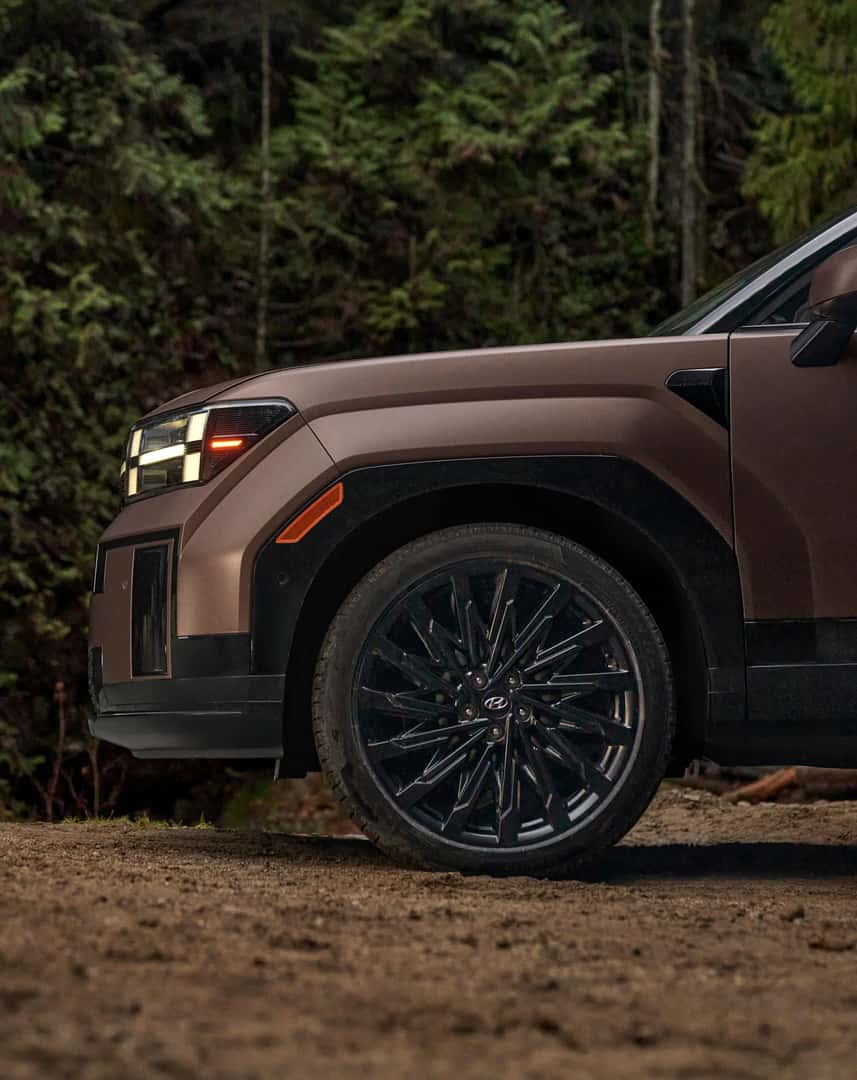
From weekends in the mountains to long afternoons at the beach, SUVs like the Hyundai Santa Fe and Toyota Highlander are great additions to your adventures in the Cerritos, Long Beach, Anaheim, and Santa Ana areas of California. The only question is, which is going to bring more to your daily commutes through Anaheim?
To find out, our team at Norm Reeves Hyundai Superstore Cerritos compared the Hyundai Santa Fe vs. the Toyota Highlander on the points of horsepower, third-row comfort, and transmission performance. Discover which SUV best suits your Southern California lifestyle.
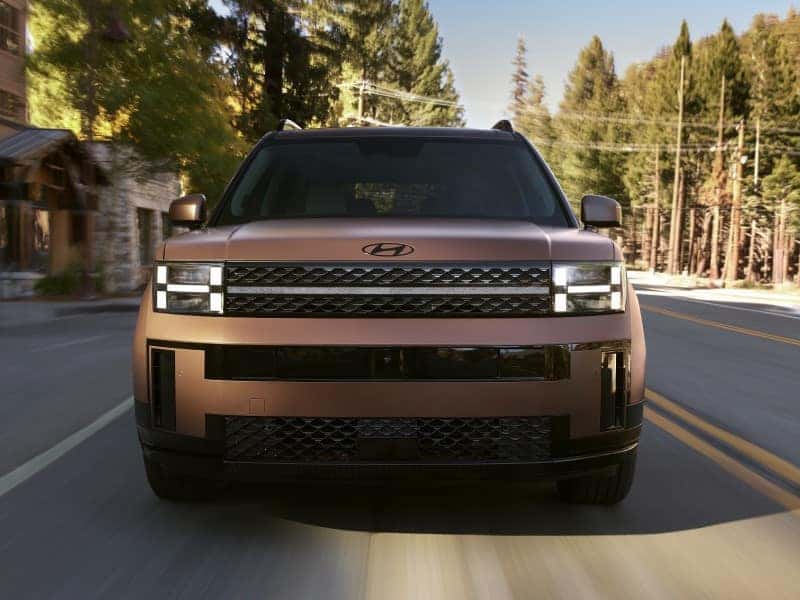
When it comes to raw performance, the 2026 Hyundai Santa Fe gets off to a strong start. Its 2.5-liter turbocharged engine delivers 277 horsepower and 311 lb-ft of torque, providing drivers with a confident response in all driving situations. Whether merging onto the freeway or cruising through Southern California’s rolling hills, the Santa Fe feels powerful yet composed.
The 2026 Toyota Highlander, powered by a 2.4-liter turbocharged engine, offers 265 horsepower and 310 lb-ft of torque. While its output is close, it trails slightly behind the Santa Fe in both power and torque. On paper, that difference seems small, but in practice, it influences how quickly the SUV gets up to speed and maintains performance with a full load of passengers.
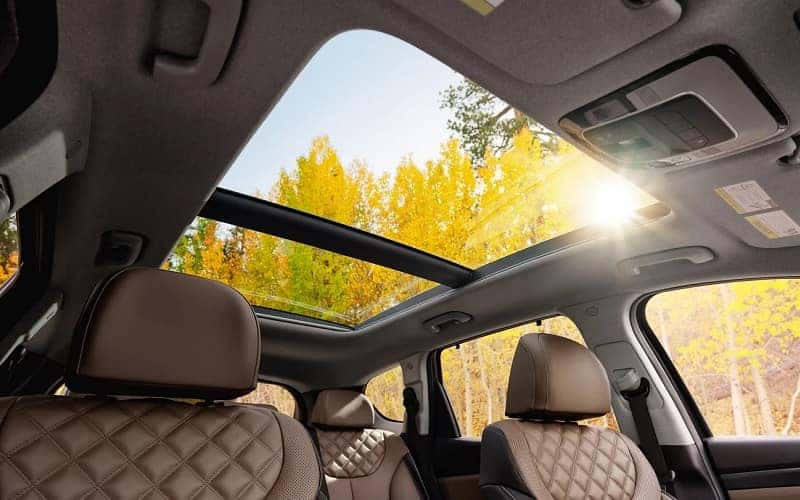
Interior dimensions reveal one of the most noticeable differences between the 2026 Santa Fe and the Highlander. Hyundai’s redesign emphasizes practicality, giving passengers 41.1 inches of front headroom, 40.6 inches in the second row, and 37.7 inches in the third row. The Highlander offers 39.6, 39.4, and 36.1 inches, respectively. That extra inch or more in the Santa Fe’s rear rows translates to real comfort on long family trips.
Legroom continues that pattern. The Santa Fe offers 44.4 inches of legroom in the front, 42.3 inches in the second row, and 30 inches in the third row. In comparison, the Highlander measures 42.0, 38.7, and 28.0 inches in length, width, and height, respectively. While both SUVs seat up to seven, the Santa Fe’s squared design creates a more spacious cabin and easier access to the third row.
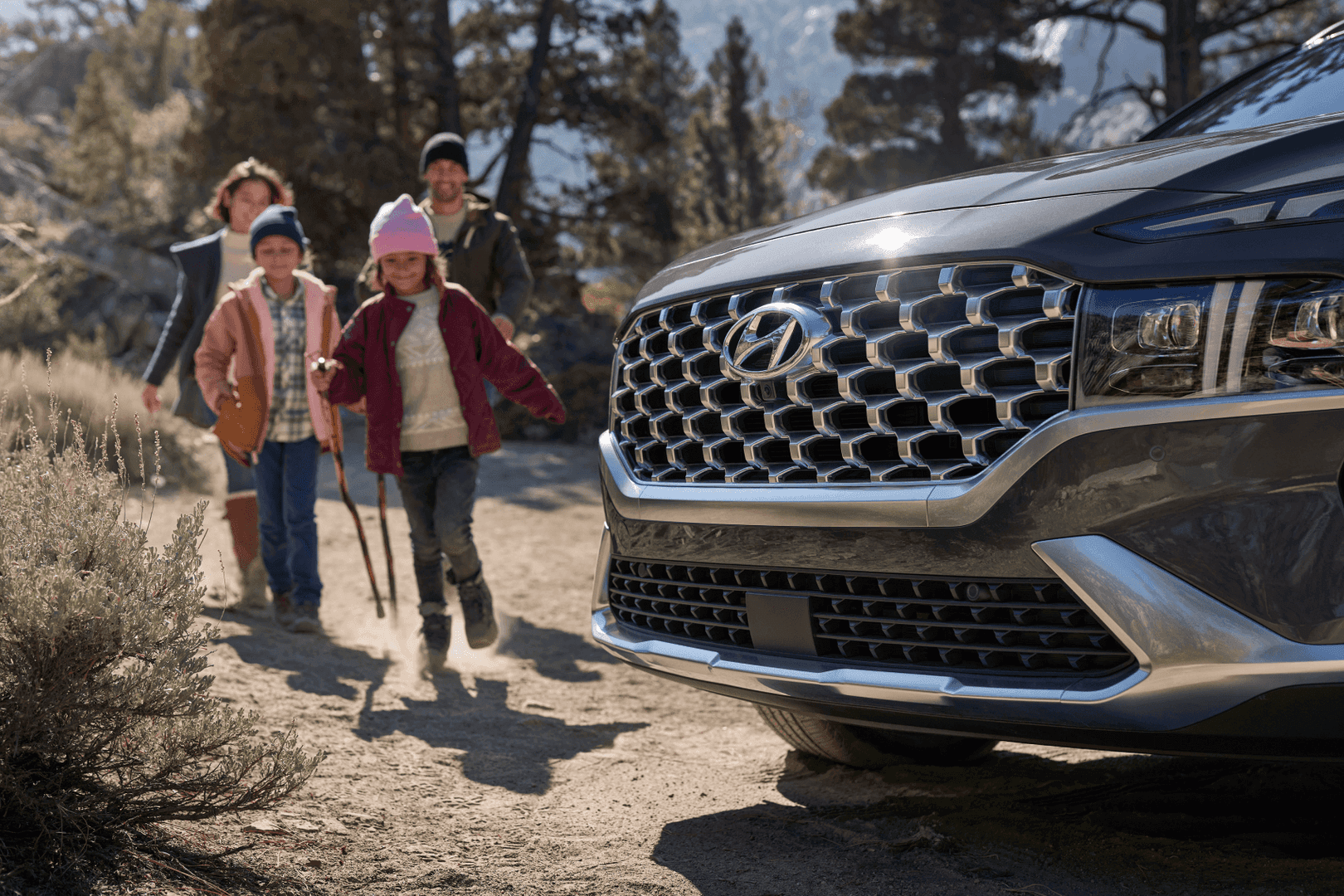
Hyundai recently improved one of the Santa Fe’s most important mechanical components: the transmission. Earlier versions used an 8-speed dual-clutch transmission (DCT), which was quick but occasionally abrupt at lower speeds. Beginning with the 2026 model year, Hyundai replaced that setup with a torque-converter automatic, designed for smoother and more predictable shifts in everyday traffic.
This change enhances drivability, particularly in slow or stop-and-go conditions common in areas such as Los Angeles and Cerritos. Reviewers from Car and Driver confirm that the update “aims at smoother operation,” improving the experience for those who prioritize refinement in addition to strength.*
The Toyota Highlander already uses a traditional 8-speed automatic with its 2.4-liter turbo engine, a system tuned for smoothness rather than speed. It performs well, but some reviews note hesitation during hard acceleration.
Families often find the Hyundai Santa Fe’s cabin easier to live with day to day. It provides 37.7 inches of third-row headroom and 30 inches of legroom, compared to the Highlander’s 36.1 and 28 inches. That extra space makes the third row practical for adults on short drives or older children on longer ones. Both seat seven, but Hyundai’s boxier design improves visibility and access to the rear.
Each SUV includes advanced technology suites with collision avoidance and lane-keeping functions. The Santa Fe’s Highway Driving Assist goes a step further by helping maintain distance and lane position on highways, easing fatigue on long drives. Hyundai’s Safe Exit Assist adds another thoughtful layer by detecting approaching traffic and keeping rear doors locked until it’s clear. Toyota’s Safety Sense 2.5+ includes similar alerts but lacks that automatic locking feature.
The 2026 Santa Fe embraces a bold, upright shape inspired by modern adventure vehicles. Inside, both models feature dual 12.3-inch digital displays that span the dashboard, providing drivers with clear visibility and easy access to controls. Materials feel rugged yet refined, blending everyday comfort with a sense of durability. The Highlander’s interior focuses on familiarity and family comfort, while retaining a more traditional look.
Drivers near Cerritos, Long Beach, Anaheim, and Santa Ana, CA, looking to compare the Hyundai Santa Fe vs the Toyota Highlander can see that both power and practicality meet in Hyundai’s latest SUV. Contact us at Norm Reeves Hyundai Superstore Cerritos to test drive the Hyundai Santa Fe and make an informed decision.
*Source: Car and Driver.

