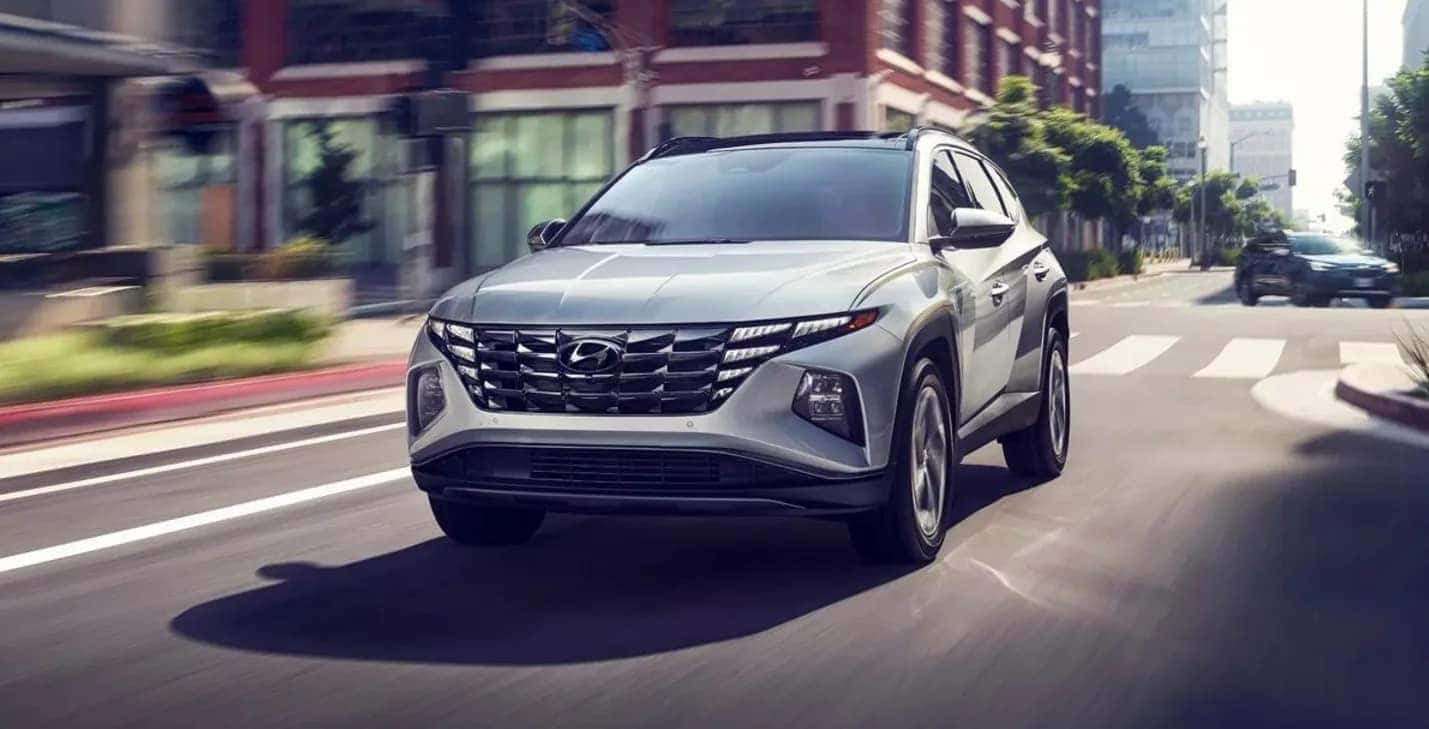
Drivers across Cerritos and Long Beach, California, spend a lot of time behind the wheel, so choosing the right compact SUV carries real weight. A comparison such as Hyundai Tucson vs Nissan Rogue helps highlight which model fits your everyday life.
Both SUVs bring strong reputations and thoughtful engineering, yet the Tucson arrives with several advantages that stand out during daily driving. Norm Reeves Hyundai Superstore introduces shoppers to a lineup that offers variety, smart technology, and a roomy interior layout.
The Hyundai Tucson delivers multiple powertrain paths that help drivers match their SUV to their driving style.
Gas models use a 2.5-liter 4-cylinder engine paired with an 8-speed automatic transmission. The setup produces 187 horsepower and provides steady acceleration during daily commuting. Available HTRAC adds traction when road conditions change or weekend road trips venture beyond the city.
Hybrid and plug-in hybrid versions expand Hyundai Tucson inventory further. Hybrid models reach 231 total system horsepower, while the plug-in hybrid pushes output to 268 horsepower.
The Nissan Rogue relies on a turbocharged 1.5-liter three-cylinder engine rated at 201 horsepower. The engine produces solid torque and strong fuel economy numbers, which keeps the Rogue competitive in efficiency.
Still, Tucson’s range of electrified options gives drivers greater freedom to choose the level of performance and efficiency that suits daily life. That variety becomes a major advantage for shoppers comparing the two SUVs.
Cabin packaging can settle a comparison fast, and Tucson uses its footprint brilliantly. In gas form, the Hyundai Tucson offers 108.2 cubic feet of passenger volume and 38.7 cubic feet of cargo space behind the second row, along with up to 74.8 cubic feet with the rear seats folded.
The Nissan Rogue lists 105.4 cubic feet of passenger volume in trims without the moonroof, or 100.4 cubic feet with it, plus 36.5 cubic feet of cargo room behind the second row in trims without the moonroof.
The Hyundai Tucson makes a compelling everyday-tech case because useful features show up early in the lineup. Wireless Apple CarPlay and Android Auto are standard across every Tucson trim, joined by a 12.3-inch touchscreen, front and rear USB-C ports, Bluelink+, and available Hyundai Digital Key 2 Premium.
Upper trims can add a 12.3-inch digital cluster, Bose audio, ambient interior lighting, ventilated front seats, Blind-Spot View Monitor, Surround View Monitor, Highway Driving Assist 1, and extra parking assistance features.
The Nissan Rogue answers with available Google built-in, an available 12.3-inch infotainment system, a 12.3-inch digital dashboard, head-up display, Nissan Safety Shield® 360, and available ProPILOT Assist 2.1.
That is a strong list, yet Tucson keeps the upper hand through broad standard driver-assist coverage, including:
If advanced convenience and confidence-building safety rank high for your next SUV, begin with Tucson.
Both models support smartphone integration with wireless Apple CarPlay® and Android Auto™, which allows quick phone pairing during daily driving.
Rogue gas models reach up to 32 combined MPG in FWD form. Tucson gas models reach 28 combined MPG in FWD form, while Tucson hybrid models list 38 combined MPG, and Tucson plug-in hybrid models list 35 combined MPG.
For shoppers interested in electrified efficiency, the Hyundai Tucson opens up a stronger range of choices.
The Hyundai Tucson delivers 41.4 inches of front legroom and 41.3 inches of rear legroom, which helps adults settle in comfortably during longer drives.
Numbers and feature lists tell part of the story, but the Hyundai Tucson shows to go the extra mile in capability.
The team at Norm Reeves Hyundai Superstore near Anaheim and Santa Ana, CA, enjoys helping drivers compare the lineup, review trim options, and explore available technology. Reach out to our staff with any questions or schedule a visit.